Army UAVs Now Piloted In Combat By Non-Pilots (About Time?)
Writing by Evan Ackerman on Monday, 9 of March , 2009 at 3:54 am

I was never sure why the Air Force insisted on having fully qualified combat pilots remotely fly Predators and other combat drones. Enlisted personnel, with some training, have been piloting non-combat drones for years, and in the words of one army private interviewed by Wired back in 2005, “you watch the screen. You tell it to roll left, it rolls left. It’s pretty simple.” As I can personally attest to, flying a small airplane is most of the time far simpler than driving a car. There are three really tricky bits: takeoffs, landings, and talking on the radio. Luckily, the drones come with automated takeoff and landing systems, and as for the radio calls… Once you can say “niner” with a straight face, the rest is not so hard to figure out.
That Wired article (by Noah Shachtman who also writes for Wired’s Danger Room blog) does a good job of explaining the difference between Air Force and Army policy when it comes to drones (as of 2005 at least), so I’m just going to quote it here:
Everyone’s on board with drones – the question is who do you let fly them. The Air Force model considers them planes, which require expensive pilots who need to fly hundreds of hours in manned aircraft each year to keep their certification up. The Army model lumps them in with other tools, from cameras to guns, and puts them in the hands of anyone who can use them. Drones, meanwhile, are getting smaller, easier to operate, and even disposable. The technology, in other words, is trickling down, just like computers did a generation ago. Yet the Air Force still treats them like mainframes, to be operated by a highly trained elite. Are the flyboys on the wrong side of history?
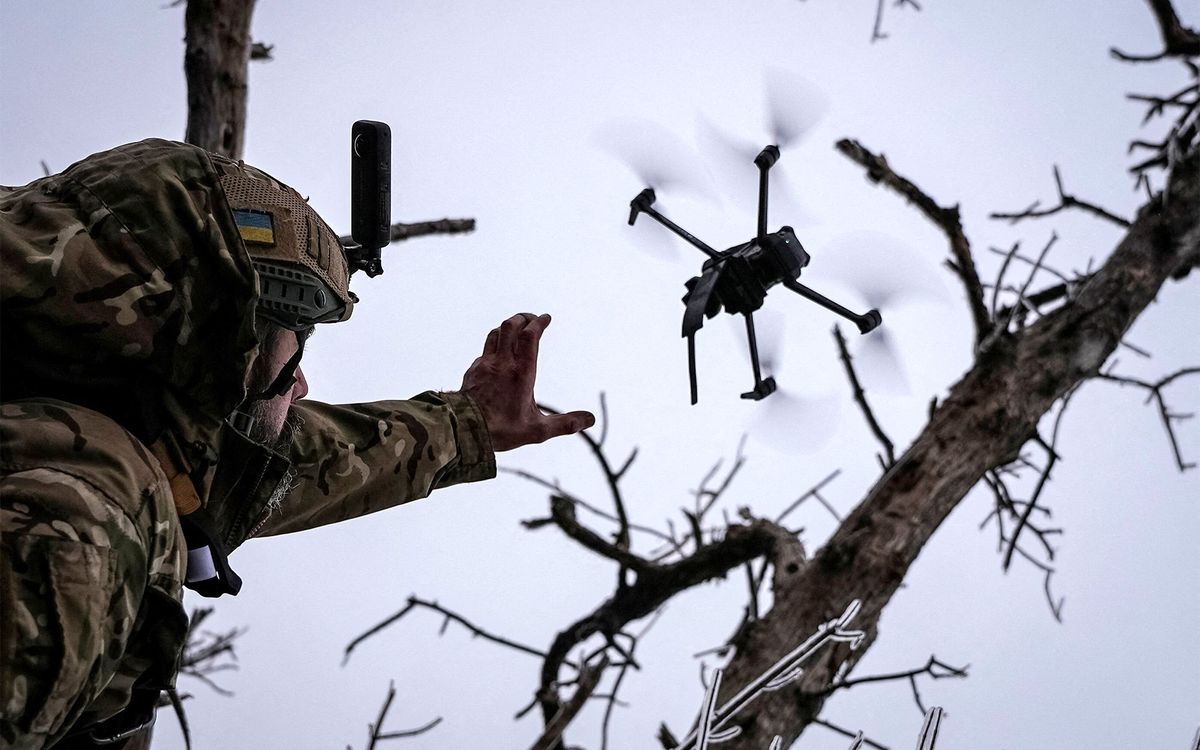
Not necessarily. Different kinds of drones fly different kinds of missions. Tactical UAVs such as the grunt-flown, 1,000-foot-range Raven serve small groups in the field; endurance UAVs like the pilot-flown Predator send pictures back to generals and throw Hellfire missiles. The Air Force model suits the fighter-sized drones with full attack-plane features; the Army model fits the backpack-sized cameras with wings. But as drones continue to evolve, both models are morphing into something new.
I’m not sure if the physical model of what drones are has really evolved much yet (the MQ-1 Predator used by the Air Force and the MQ-1C used by the Army are basically the same drone except the Army’s version runs on diesel and has better performance), but to its credit, the Army seems to have evolved its policy, and has no problem letting trained enlisted personnel pilot their drones and even, now, engage in combat. Last month, an MQ-1C Warrior piloted by a staff sergeant, a corporal, and a specialist successfully fired two missiles at insurgent targets in Iraq in support of ground troops.
Considering the time and money it takes to train qualified pilots, I have to wonder why it’s taken so long for this to happen… I guess the question is, when it comes to remotely piloting combat drones like the Predator and the Warrior, are combat pilots trained in aircraft significantly and resource-effectively better at operating the drones than enlisted personnel trained with video games?
[ Press Release ] VIA [ Danger Room ]
Comments (1)
Category: Military
- Add this post to
- Del.icio.us -
- Digg
Comment by John
Made Tuesday, 14 of July , 2009 at 6:07 pm
Great topic. I believe that they way games are going they will be able to get kids straight from high school to fly the drone. Some one just needs to build the game for the kid and they will play it.